
Ugandan Political Dilemma
At the turn of the Millienials into Gen Z around 9 May 1996, President Museveni pushed an amendment requiring public servants seeking elective office to resign their jobs three months before nomination day.
Before this, one could simply apply for leave without pay and contest.
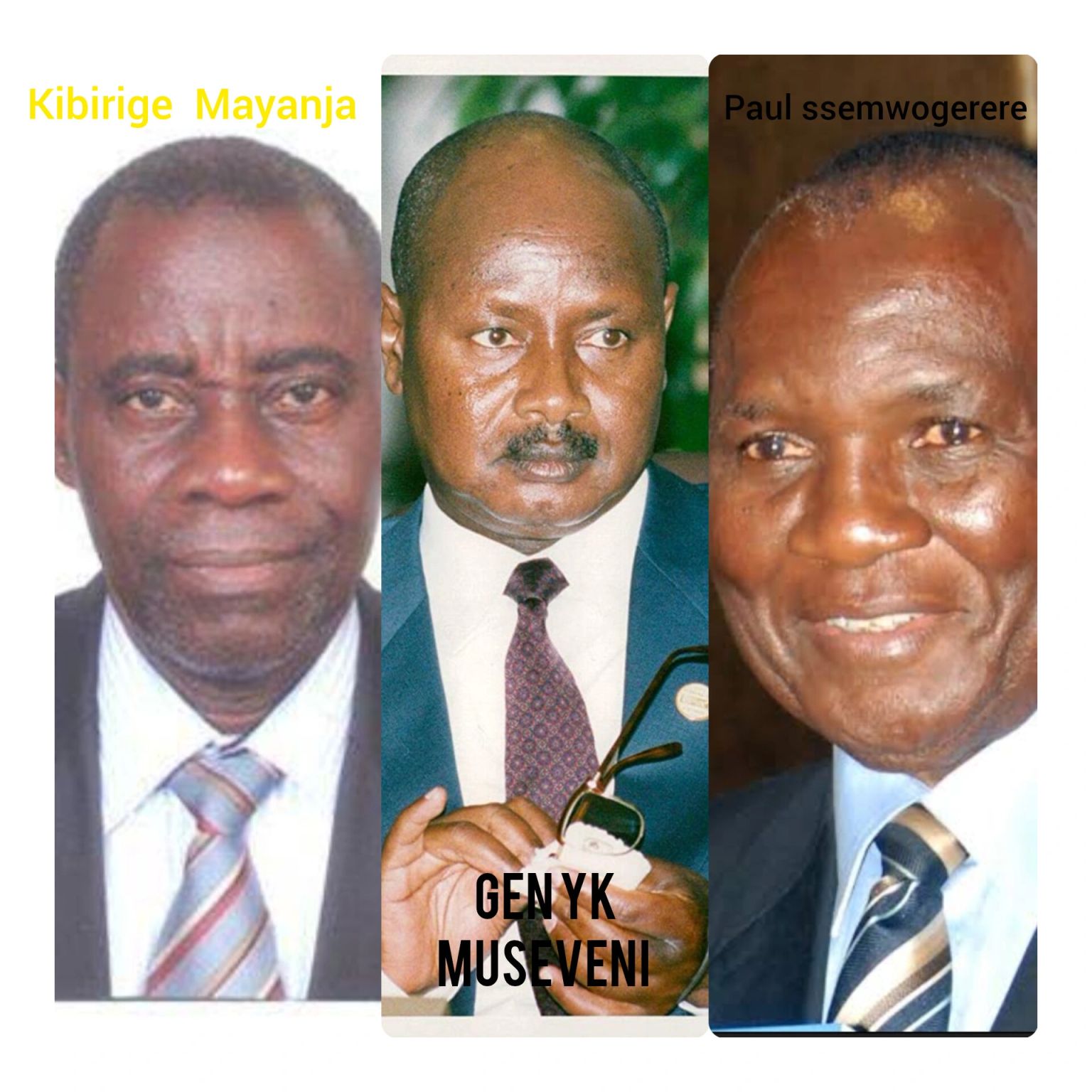
The alleged political target at the time was Mayanja kibirige , who had returned to his Makerere University lecturing role after the elections.
The thinking, according to many observers, was straightforward: make challenging incumbency expensive not only politically, but economically.
Kibirige did not contest in 2001.Instead, he focused on building his political party Justice Forum JEEMA and keeping his job at Makerere as a lecturer.
Uganda’s history around this takes an interesting turn as today, politics sometimes appears divided into two categories:
• Career politicians — people who entered politics straight from university and never really left or worked a 9-5 job in their life
• Political entrepreneurs — whose campaign slogan occasionally sounds suspiciously like: “It’s our turn to eat.”
Probably these were good intentions behind the policy. The logic was that only people with enough conviction, passion, courage and perhaps liquidity would resign and mobilize significant resources to run.
But the downside was politics slowly became a career destination rather than public service for some.
If contesting requires risking your entire livelihood, many competent professionals simply stay in boardrooms, hospitals, lecture halls, audit firms, and law chambers.
And the result? We may have unintentionally filtered out many of our strongest technical minds from elective politics… while making politics one of the most attractive professions available.
Ironically, the place where we need the highest standards of selection is often where we apply the lowest.
Because when faced with a legal suit, most of us want to be represented by the best lawyer in town
When bidding for a million-dollar deal, we prefer our books audited by KPMG East Africa BDO in Uganda or some Big 4.
When terminally ill, we suddenly become very passionate believers in being operated on by the best surgeon at Nakasero Hospital or some other hospital
Curiously… politics seems to be the one area where societies occasionally become less demanding
We somehow become comfortable being represented by people who struggle to debate a basic finance bill—let alone taxation.
Fast forward nearly three decades later and one has to ask: Did that rule produce unintended consequences?

