A Billionaire Built on Indigenous Manufacturing
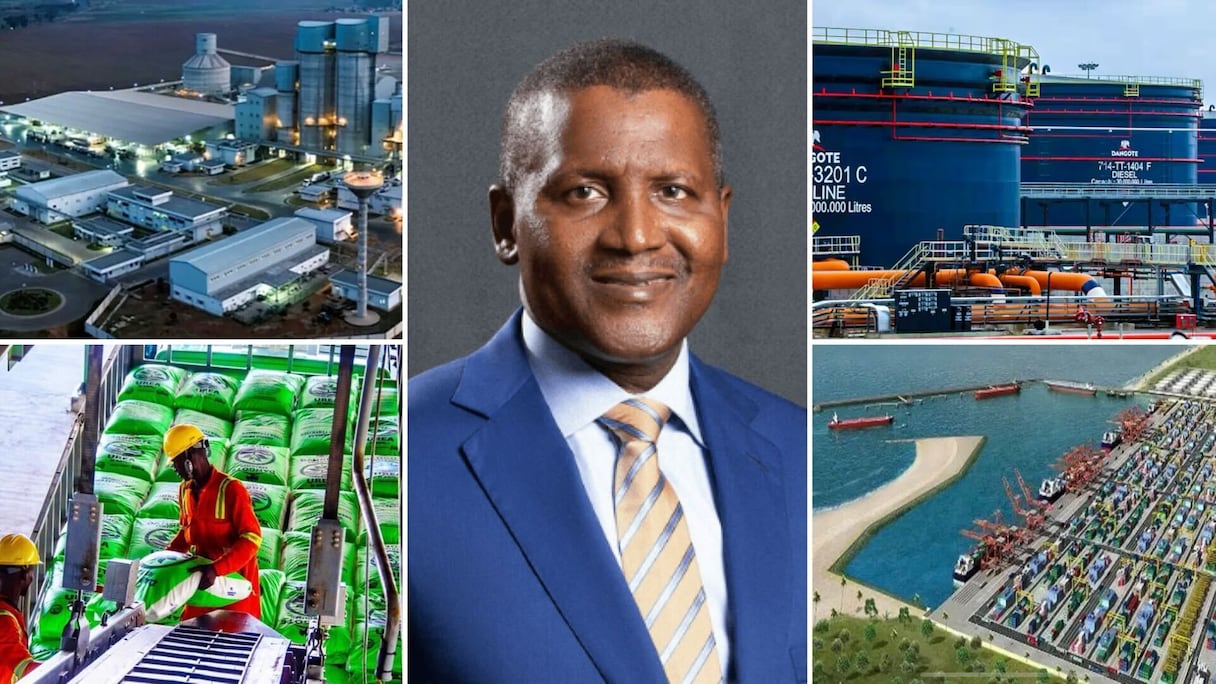
Aliko Dangote’s story is unique on the global stage. He is the only African and the only Black billionaire to have built his fortune almost entirely through indigenous manufacturing. Unlike many billionaires whose wealth stems from tech, finance, or global distribution networks, Dangote’s empire is rooted in producing goods locally: cement, sugar, flour, salt, and now petroleum.
Even more remarkably, he achieved this in the so-called “Third World” — a region often dismissed by global investors as too risky, too unstable, or too underdeveloped for serious industrial ventures.
Dangote proved them wrong.
Local trading will not develop Nigeria or Africa, but only indigenous manufacturing. A lot has been written and said about the dislocations in the economies of African nations, and many under-developed countries, and one of the main causes of the dislocation is, because of the dependent capitalist system that makes the economies of Third World nations mere appendages to the multi-national corporations of the West. Take Coca-Cola for example, Dangote supplies the sugar that the conglomerate needs for local production in Nigeria, and in virtually all the countries in the West African sub-region instead of the usual practice in the past when Coco-Cola imported its sugar needs from abroad. By developing and building virtually all its subsidiaries from local manufacturing, Mr. Dangote has succeeded in building a business empire.
Secondly. Aliko Dangote has proved to Africans and other developing nations that the futures of their economies certainly rest on indigenous manufacturing. No to or a group of people can develop, unless they are able to feed themselves, provide shelter for their masses and clothing for their citizens.
Why This Matters
• Self-reliance over dependency: Dangote’s journey shows that African entrepreneurs don’t need to be agents of multinational corporations to succeed.
• Manufacturing as empowerment: By producing locally, he created jobs, built infrastructure, and strengthened Nigeria’s economy.
• Resilience in the face of setbacks: The refinery seizure could have ended his ambitions. Instead, it ignited a new vision.
• A model for the continent: Dangote’s success offers a blueprint for industrial growth across Africa — built not on aid or imports, but on production and persistence.
Final Thoughts
Aliko Dangote didn’t just build factories — he built belief. His story is a reminder that setbacks are often setups for something greater. In a world where many chase quick wins, Dangote chose the long road — and in doing so, paved the way for a new era of African industrial power.