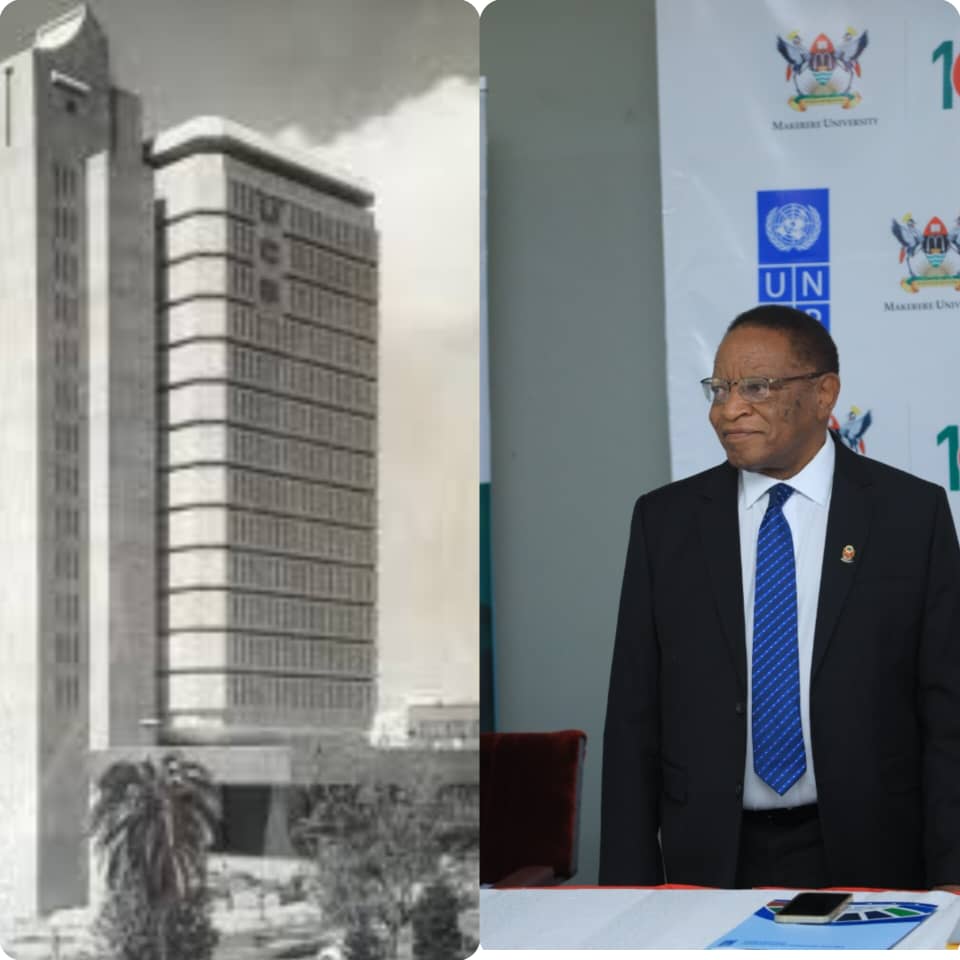
Uganda Commercial Bank -Prof Ezra Suruma 1
Gen Z and a late Millennials might be oblivious of the fact that Uganda at one time had a locally owned Commercial Bank – The Uganda Commercial Bank (UCB). By 1993, it had grown to over 3,000 staff & 189 branches from just 60 branches five years earlier.
However, losses began to mount given the rapid expansion of branches without additional capitalization placed enormous strain on UCB. New buildings, equipment, and the costs of tripling the branch network had to be financed not by government support, but by the bank’s own earnings and, ultimately, depositors’ funds.
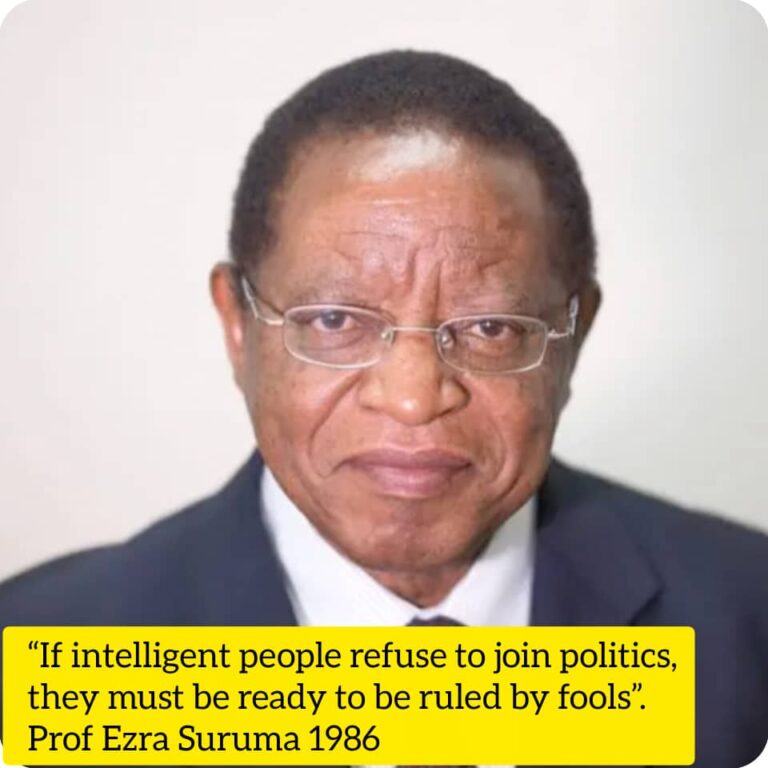
Meanwhile, World Bank’s view was simple: UCB was unprofitable because it was public. Their solution was privatization. But a one man Ezra Suruma EZRA SURUMA Dept. Governor of Bank of Uganda 1993 saw UCB differently. To him, it was more than a bank but an instrument of Uganda’s independence, a symbol of sovereignty that should remain in the hands of govt or Ugandan shareholders – a fight he was willing to engage
Determined to prove its worth, he set out to restore profitability, believing that success would dismantle the argument for foreign privatization. If UCB could stand strong, it could remain a national institution, or gradually pass into the hands of Ugandans themselves.
With conviction, he resigned from his prestigious role as Dept Governor in 1993, took up the mantle of Executive Director of UCB – a bank that was illiquid, in a state of quagmire, choosing principle over position, and service over status at a time he was seen as next in line to become the BoU Governor
Day 1: Examining the accounts, he was stunned that Uganda UCB didn’t have the money to meet its payroll. Some staff had insider loans exceeding UGX 100 M an astronomical figure at the time affecting many of its most senior officers.
Day 2: When the financials arrived, the numbers did not add up. The chief accountant was unable to explain the figures. He pressed management for clarity to no avail. The balance sheets, P&L were unreliable, appearing cooked. What he had seen at the BoU of years without proper financial statements was now eclipsed by the chaos at UCB.
The most urgent problem he confronted was stark: UCB was not just technically insolvent rather it was truly insolvent. It had no cash to meet the withdrawal demands of its depositors. Customers were asked to wait, while staff hoped for fresh deposits to arrive. If none came, they were told to return another day, if the customer was important the staff scrambled to borrow cash from another branch.
The reality was undeniable: UCB was illiquid. No cash, no reliable accounts, managers who were largely unaware of the daily losses. They had a “liquidity illusion.” They were funding expenses from depositors’ money, failing to distinguish between earnings and deposits. To them, it was all just money.
How he dealt with these herculean tasks before him is a story I will divulge soon – For now Adios !