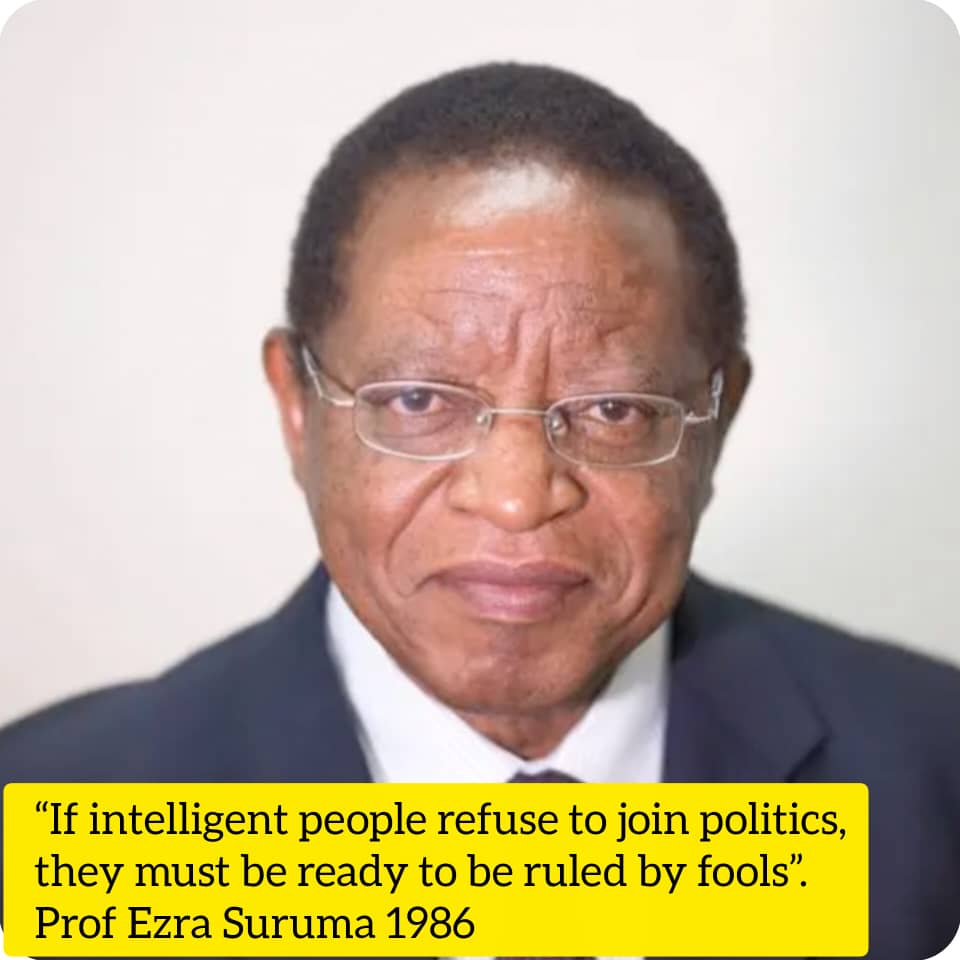
Uganda Commercial Bank -Prof Ezra Suruma 2
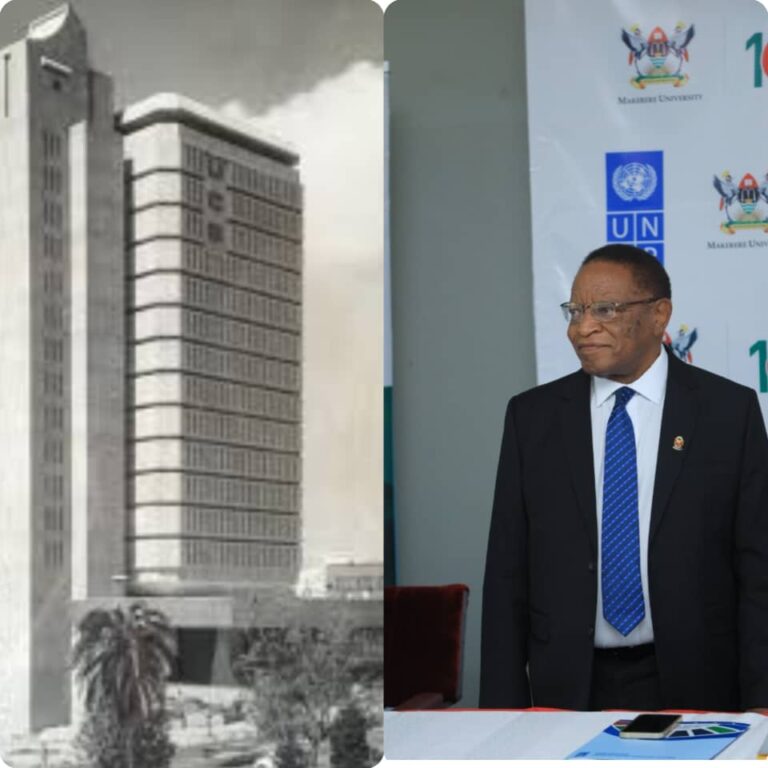
When Prof Ezra Suruma arrived at Uganda Commercial Bank (UCB) in 1993, the World Bank had one message: “We’re here to help…but also, we’re bringing our people.” Their financial credit terms required Uganda to accept a COO, Deputy MD, CFO and Credit Manager almost an entire leadership tier from without the country. As Chairman and MD, it felt a bit like being told, “Here’s your new team. Don’t worry, they report to you – but technically they’re ours.”
The arrangement was amusing: the expatriates would be paid using Uganda’s World Bank (WB) loan, but on paper they were GoU employees – interestingly interesting 😂Actually, WB sent a shortlist of candidates and politely suggested, “Choose from these.”They filled all positions except Deputy MD, which would have completely diluted the CEO’s authority. A line had to be drawn.
At that time in UCB cash-outs were roulette:A customer would arrive to withdraw money. Staff would say, “Please wait… for someone else to deposit.” If the deposit gods didn’t smile in time, the customer was advised to “Please try again tomorrow,” unless they were very important…or very loud.
Unlike 2025 where the BoU has a robust risk management framework, the 1993 clearing house at Bank of Uganda was quietly covering UCB bounced cheques to avoid chaos in the sector. How?BOU would credit other banks & debit UCB, pushing their account further into the negative.Consequently BOU was increasing money supply simply to keep UCB afloat a polite financial life-support machine.
UCB had ordered 12 zero mileage Toyota Land Cruisers from Japan at a time when they couldn’t meet basic withdrawals! When he asked how they planned to pay for them, they uncovered a new financial concept: the “liquidity illusion.” Mgt treated depositors’ money and bank earnings as one big pot labelled “cash to spend.”
Prof. Ezra made a leadership decision: sell the vehicles to BOU. Eight were taken & UCB paid ; one would be his personal use, and the 3 for the expatriate consultants. Managers were stunned. Unfortunately, the surprises were just beginning.
The root cause of UCB liquidity crisis was painfully clear: Branch managers were lending independently like mini-CEOs of their own kingdoms. Head office had no idea who was lending to whom, or how much. Worse still, recovery was almost nonexistent.Ezra Suruma had to reset the system as he retrenched close to 200 staff mostly individuals with loans over UGX 100M (a massive amount in 1993).
Lending was frozen across all 189 branches and only the MD could authorize credit. Any manager who did otherwise was dismissed.The impact was dramatic: Within a week,UCB became liquid. By month end , the UCB massive debit at BOU was completely cleared.BOU jokingly named it “The Suruma Effect.”
Finally, UCB could operate like a real bank no longer hiding behind the “skirts” of the central bank.