Paradox of 1994 Rwanda S.Africa – Kwibuka 31
In 1994 two major events happened on the continent of Africa. In the south jubilation and parades as South Africa received independence after the release of the freedom fighter Nelson Mandela . Across to the Great Lakes region a people wailing at the loss of their beloved on ons in clothes drenched in blood in the Rwanda Genocide.
What happened in Rwanda 1994 wasn’t a random ethnicity killing but part of an operation with a deliberate strategy organizers and a hierarchy of cooperative agents! From the odd stories of heroism and self sacrifices. The Tutsi wife who begged her Hutu husband to kill her before the militia did and he complied Was he a hero or a monster ? The catholic priest who ordered the church where 2000 outside parishioners sheltered to be bulldozer by the militia men. How could anyone reconcile that with the Christian faith ?The trusted Hutu retainer spotted by his Tutsi employer manning an intetahamwe checkpoint. What was he thinking ? In one of the quickest human Exoduses in history 2.1 million refugees crossed into Zaire Burundi Uganda Tanzania in 3 months.
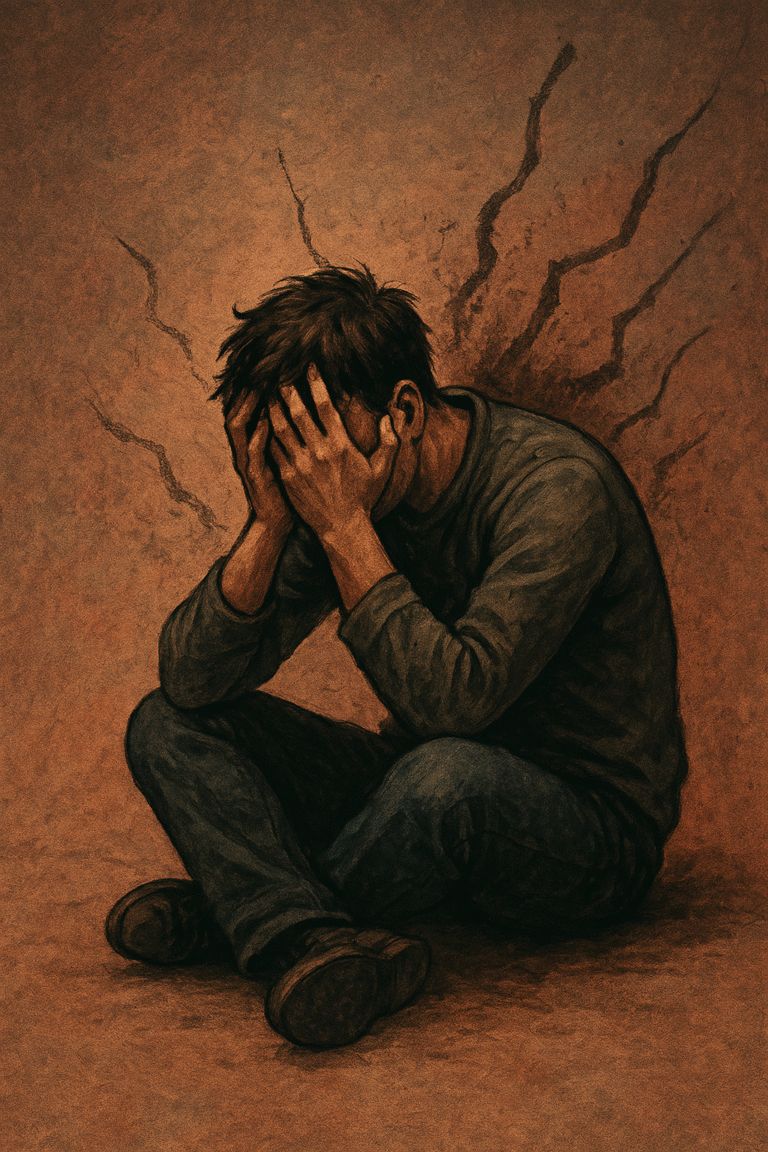
Studying Rwanda’s geopolitics helped me better understand my Rwandan friends, who often struggle with trust. Their guardedness is not without reason—it is the legacy of Post-Genocide Trauma, an experience that lingers long after the events of 1994. Many are survivors, and trauma often passes from parents to children, reinforced during family storytelling. It takes root in stereotypes like: “Those people don’t like us,” “Never trust that tribe—they are hypocrites,” “Don’t marry from that group—they’ll mistreat you.” These subtle but persistent messages shape how children grow up to perceive others.
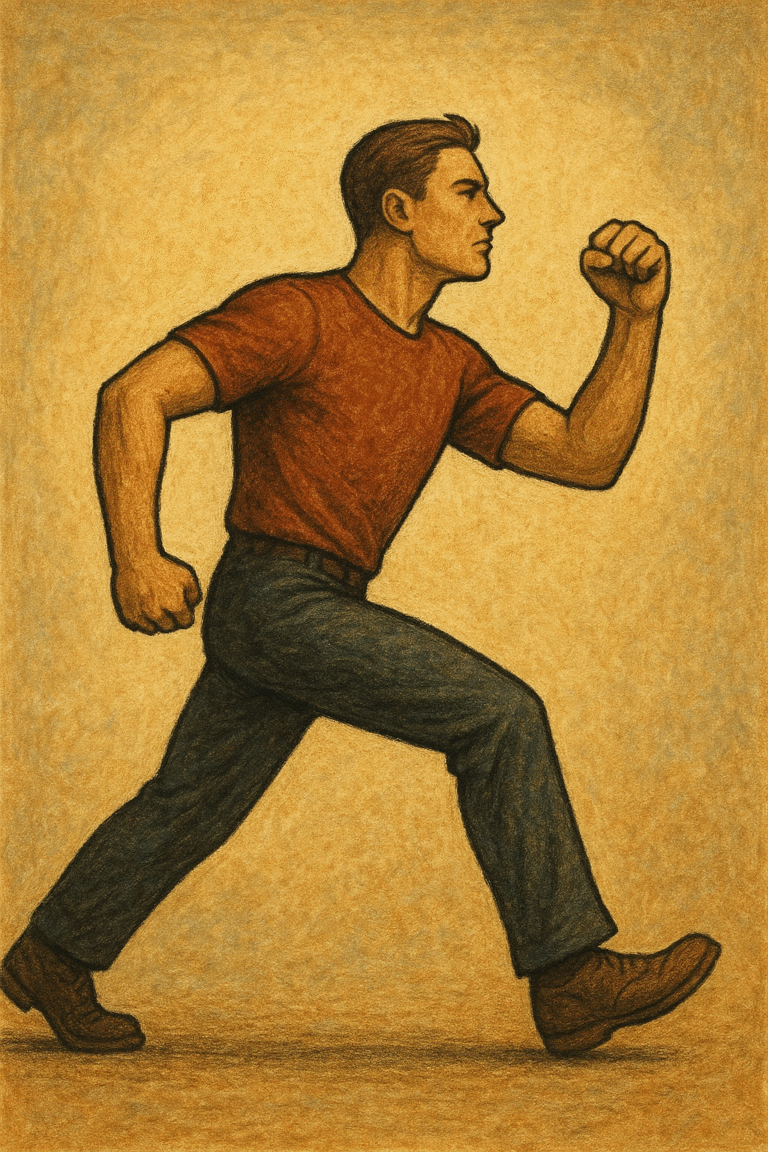
And yet, here lies the paradox. If I had to choose between a Rwandan and a Ugandan as a business partner, I would choose a Rwandan. Why? Because despite their trust issues, the Rwandans I know are resilient and perseverant. Their strength seems to come from the harsh reality of being refugees—knowing no one is coming to rescue you or provide handouts.
Post-Genocide trauma may have left scars of mistrust, but it also forged resilience. I have seen it firsthand: they are the last to give up, the last to throw in the towel. In business and in life, that makes them remarkable partners.It has been two months since hashtag#Kwibuka31, the commemoration of the Genocide, but I believe we should continue extending grace to our Rwandan friends, colleagues, and spouses. Healing from such trauma takes time—and often therapy. Let us also extend grace to the descendants of survivors, who carry the weight of memories they never lived but still inherit.