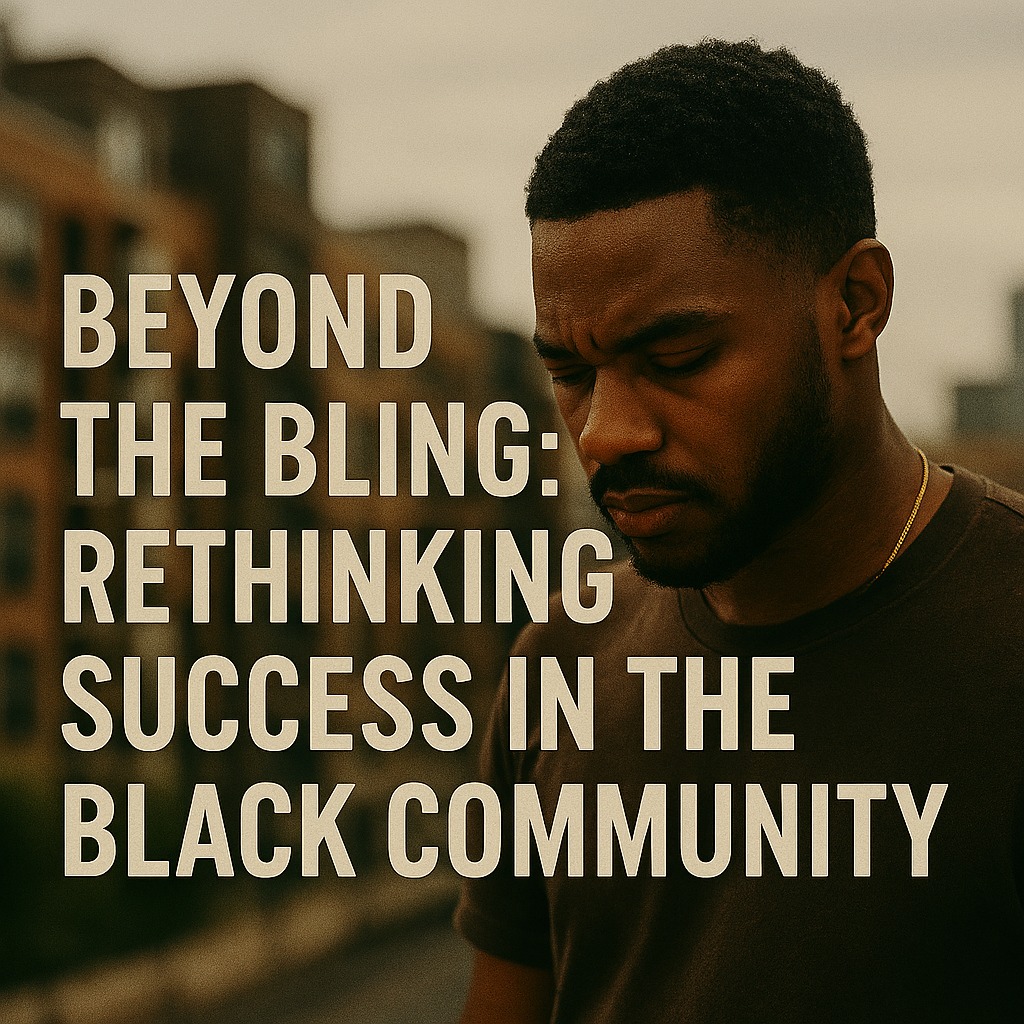
Beyond the Bling: Rethinking Success in the Black Community
Walk into any luxury dealership, high-end fashion store, or upscale neighborhood, and chances are you’ll find someone from the Black community proudly making a purchase that screams, “I’ve arrived.” Whether it’s a flashy car, a designer watch, or the latest fashion statement, we’ve been conditioned to equate material possessions with success. But is that really the kind of success worth glorifying?
It’s time we asked ourselves a deeper question: When will we, as Black people, begin to celebrate the kind of success that builds nations—not just wardrobes?
The Power of Ownership
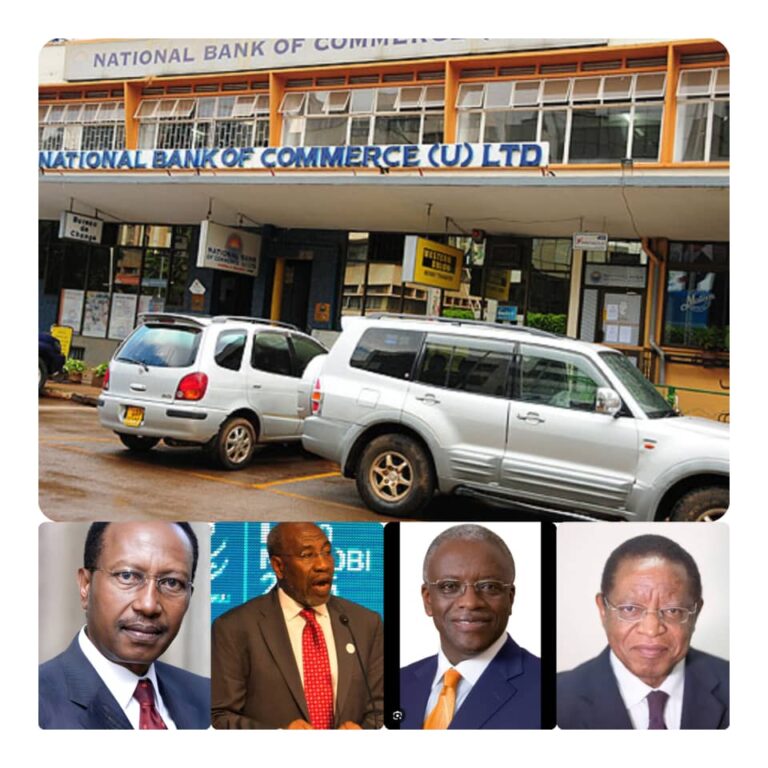
Imagine a world where Black entrepreneurs own car manufacturing plants, retail chains, financial institutions, and fashion labels that rival global brands. Imagine walking into a bank founded by someone who looks like you, buying clothes designed by someone who understands your culture, or driving a car built by a Black-owned company. That’s not just representation—it’s transformation.
Yet, we often settle for being the first to buy luxury, not the first to build legacy. We chase symbols of wealth instead of systems that generate it. And while other communities quietly accumulate generational assets, we loudly accumulate liabilities.
The Mindset Gap
Some of the world’s wealthiest individuals started with nothing. They waited tables, worked as admin clerks, survived on one meal a day, and grew up in foster homes. What set them apart wasn’t privilege—it was mindset. They saw beyond their circumstances and chose to build, not just consume.In contrast, many in the Black community are trapped in a cycle of materialism. We spend twice as much on luxury goods, yet own a fraction of the world’s wealth. We buy to impress, not to invest. And when asked, “What would you do if you woke up ten million rand richer?”—the most common answer is, “I’d go on a shopping spree.”That response isn’t just disappointing—it’s revealing. It shows how deeply we’ve internalized the idea that success is about what you wear, not what you create. It reflects a void, a lack of purpose, and a missed opportunity to build something that lasts.
Redefining Success
Yes, success means different things to different people. But isn’t it time we broaden the definition? Isn’t it time we glorify entrepreneurs, innovators, and community builders just as much as we glorify entertainers and influencers?
Materialism teaches us to live for today. But legacy demands we think about tomorrow. What are we leaving behind for the next generation? Are we building systems that will outlive us—or just memories of what we wore and drove?
Children don’t learn delayed gratification by accident. They learn it from the environments we create. If we want to raise a generation that values impact over image, we must model it ourselves. As one anonymous writer put it: “If the price of what you’re wearing exceeds the value of your mindset, you’ll forever be poor.”
Visionaries Think Bigger
Real visionaries are driven by something greater than themselves. They don’t seek applause—they seek impact. They don’t ask, “How can I look successful?” but “How can I be useful?”So let’s shift our obsession. Let’s be consumed not by luxury, but by legacy. Let’s build businesses that solve problems in our communities. Let’s empower others, create jobs, and invest in ideas that will shape the future.
As Horace Mann once said, “Be ashamed to die until you have won some victory for humanity.”That victory doesn’t have to be global. It can be local, personal, generational. But it must be intentional.
The Trap of Materialism
In my opinion, the obsession with luxury in the Black community is not just overrated—it’s dangerous. It distracts us from the real work. It makes me ask: Why are other races ahead? Why is Africa, a continent overflowing with natural resources, still the poorest?
The answer lies in our thinking. While others build cash-generating systems first and enjoy luxury later, we often reverse the order. We buy the luxury first, then spend a lifetime paying for it. Sometimes, our children inherit not wealth—but debt.
We take out loans not to invest, but to impress. Meanwhile, other communities pour capital into businesses and assets that will outlive them. The truly wealthy buy luxury last. The poor buy it first—and get stuck in a cycle that lasts a lifetime.
Until we break that cycle, until we stop masking poverty with possessions, real success will continue to elude us.
Final Thoughts
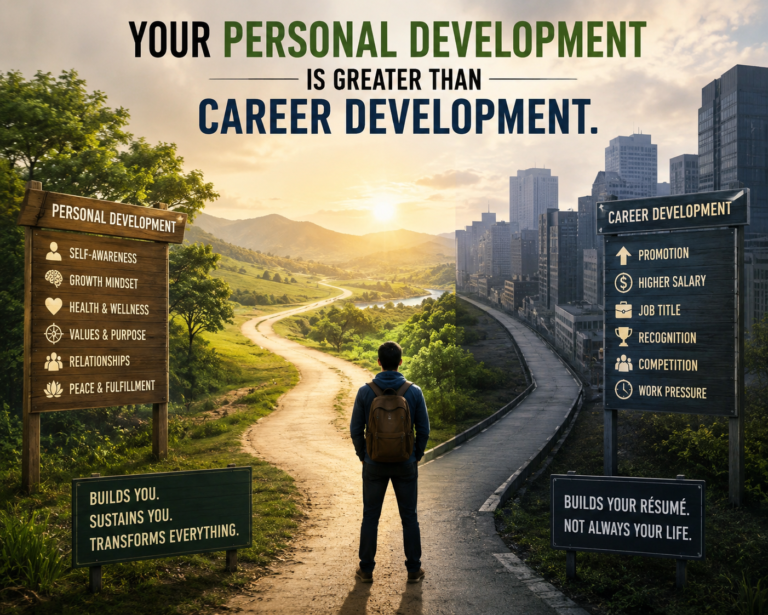
Success isn’t about what you wear—it’s about what you build. It’s not about the car you drive—it’s about the lives you impact. It’s not about the watch on your wrist—it’s about the time you spend creating value.
Africa is rising. The Black community is awakening. But we must choose: Will we be part of the revolution—or will we watch it pass us by?
Let’s stop chasing the illusion of wealth and start building the reality of it. Let’s be the generation that redefines success—not just for ourselves, but for those who come after us