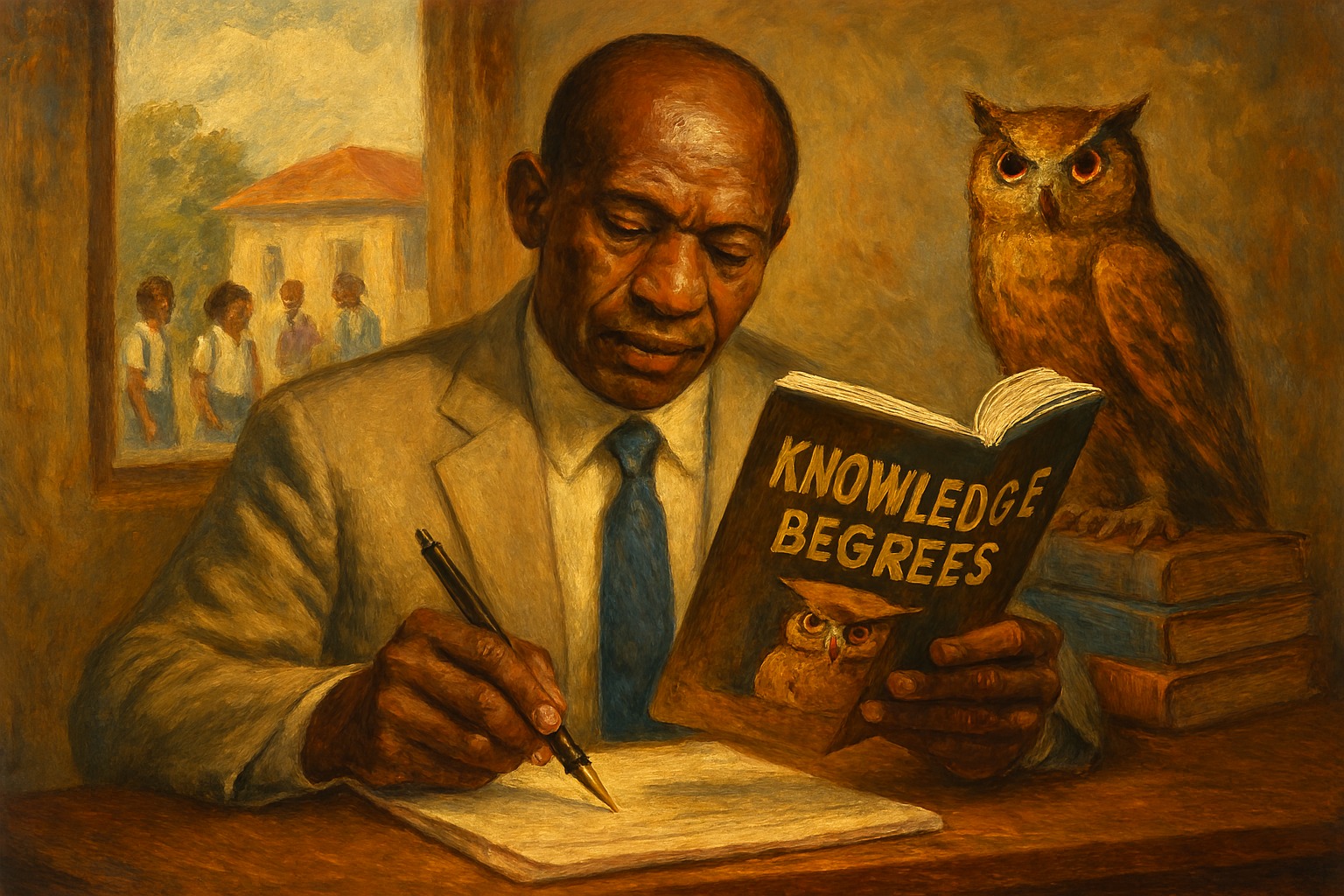
Knowledge Beyond Degrees: The Inspiring Story of Mobolaji Bank-Anthony
In the annals of Nigeria’s entrepreneurial history, the late Mr. Mobolaji Bank-Anthony stands out as a man of vision, foresight, and courage. His journey reminds us that true success often lies not in the accumulation of degrees, but in the ability to recognize opportunity, act decisively, and transform knowledge into wisdom.
Born in Kinshasa (then Zaire, now the Democratic Republic of Congo) to the distinguished Aleshinloye-Williams family of Lagos, young Mobolaji returned to Nigeria with his parents in the early 1900s. After completing his secondary education in 1923, he began working at the defunct Postal and Telegraph Company (P&T Nigeria). It was a modest job, but it gave him a vantage point to observe the winds of change sweeping across Nigeria.
As the nation edged closer to political independence, Mobolaji noticed something profound: the government was preparing to invest heavily in education. He realized that education would become the cornerstone of Nigeria’s development, and with it, the demand for tools of learning would skyrocket.
With sharp intuition, he contacted a foreign company specializing in fountain pens and applied to become their local representative in Nigeria. His foresight proved correct. By the 1950s and 1960s, during the free education program of the Action Group government led by the late Chief Obafemi Awolowo in Western Nigeria, Mobolaji had become the sole distributor of pens in the region. His business flourished, and he rose to prominence as one of Nigeria’s pioneering millionaires — a man who knew how to land opportunity before others even saw it.
Lessons from Mobolaji’s Story
Many young people today believe that chains of university degrees are the guaranteed passport to success. Yet history — from Mobolaji Bank-Anthony to Bill Gates and Steven Spielberg — teaches us otherwise.
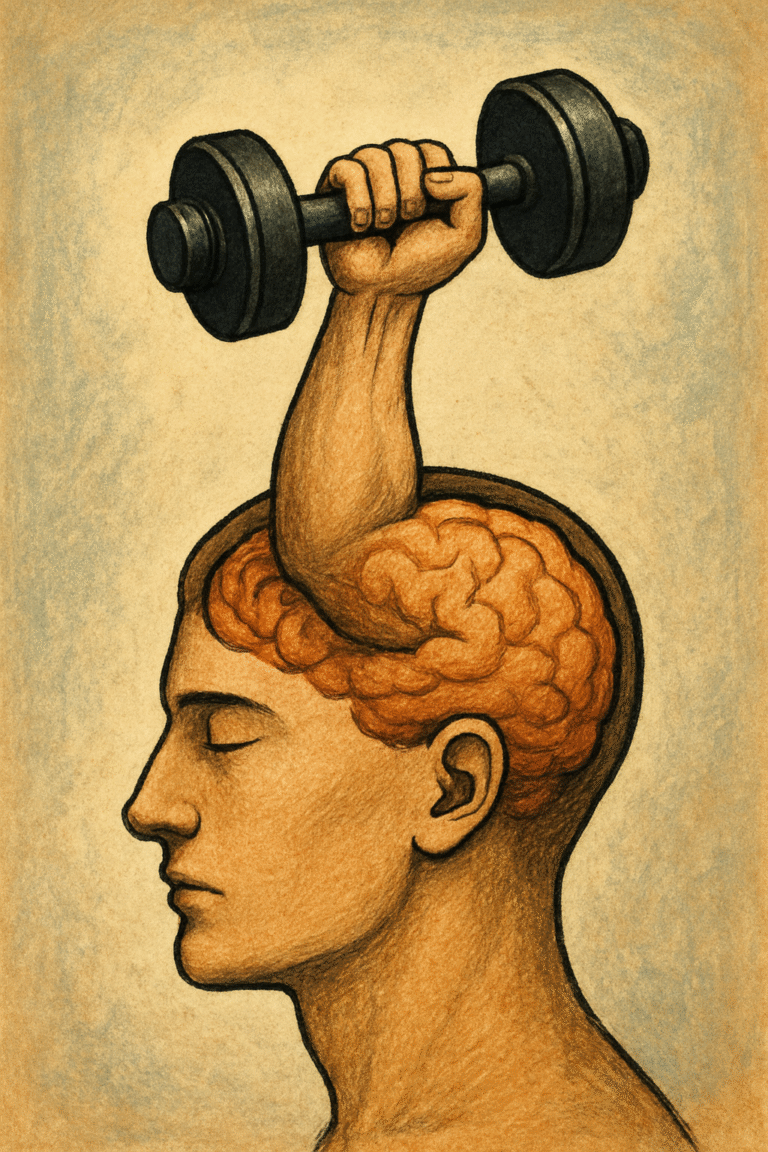
• Education vs. Knowledge: Formal education provides structure, discipline, and exposure to information. But real knowledge often lies outside the four walls of classrooms. It is the ability to see patterns, anticipate needs, and act on insights that others overlook.
• Wisdom as the Ultimate Goal: Education opens the door. Knowledge helps you walk through it. Wisdom is knowing how to use both to change your corner of the world — or even the entire world.
• Global Examples:
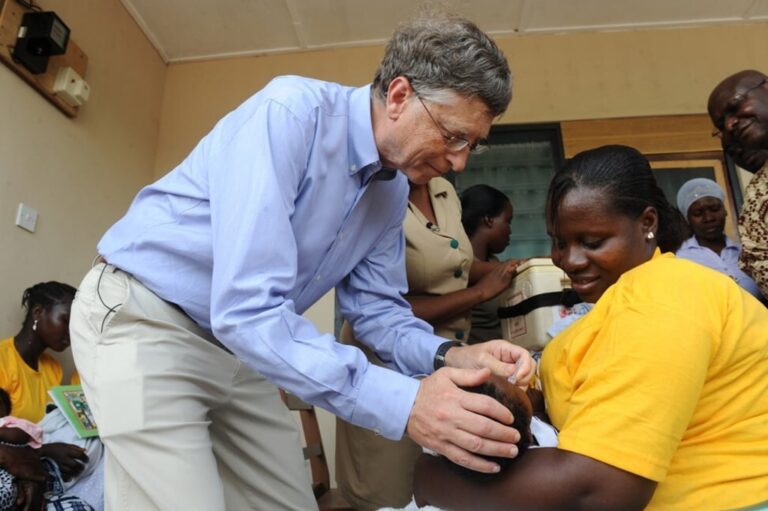
o Bill Gates, co-founder of Microsoft, blended formal education with curiosity and innovation, creating wisdom that reshaped the digital age.
o Steven Spielberg, rejected twice by the University of Southern California’s film school, went on to produce some of the highest-grossing films in history, proving that passion and persistence can outweigh rejection.
The Takeaway
Formal education is important — it equips you with tools, networks, and credentials. But it is not the end of the journey. Success comes when you combine education with curiosity, knowledge, and wisdom. Mobolaji Bank-Anthony’s story is a reminder that foresight, courage, and the ability to act on opportunity can transform an ordinary postal worker into a national legend.