From Seizure to Sovereignty: How Dangote Turned Setback into Africa’s Largest Refinery.
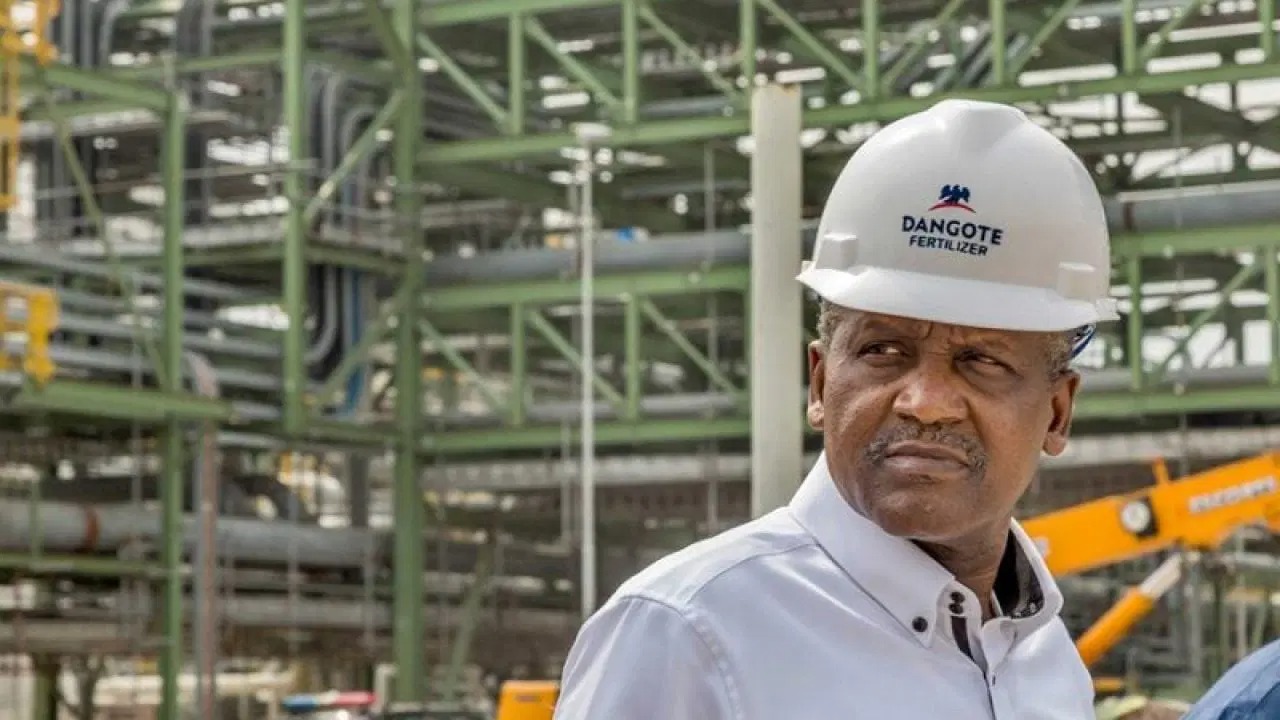
Yet, against all odds, the refinery stands today as one of the most ambitious industrial undertakings in Africa’s history. Aliko Dangote didn’t just build an oil refinery — he built belief.
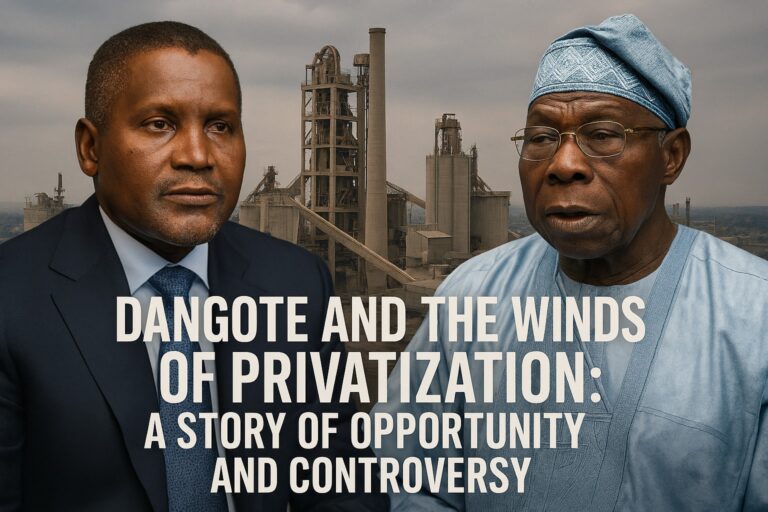
In May 2007, just days after President Umaru Musa Yar’Adua was sworn in as Nigeria’s new leader, a dramatic reversal shook the business world. The late president ordered the seizure of two major oil refineries — Kaduna and Port Harcourt — that had recently been sold to a consortium led by Aliko Dangote.
The refineries, with a combined capacity of 300,000 barrels, had been privatized during the final days of President Olusegun Obasanjo’s administration. Alongside the Warri Refinery, they were sold for approximately $750 million as part of Nigeria’s broader privatization program.
But Yar’Adua had other plans.
He ordered a full review of the transaction, declared the sale contrary to national interest, and ultimately cancelled the deal. The government refunded the money paid by Dangote’s consortium, effectively reclaiming the refineries.
For most entrepreneurs, such a public and costly setback might have been the end of the road. But not for Dangote.
The Birth of a Private Refinery
Rather than retreat, Dangote chose to build.
Fueled by frustration and vision, he began planning what would become the first privately owned oil refinery in Africa — a massive industrial undertaking in Lagos, Nigeria. With an estimated cost of $20 billion, the Dangote Refinery was designed to be one of the largest in the world, capable of transforming Nigeria’s oil sector and reducing the country’s dependence on imported fuel.
This wasn’t just a business move. It was a statement. He later on described the experience as going through “hell.” The project was so demanding that he later admitted he might never have started it had he fully understood the magnitude of the challenges ahead. The project faced enormous hurdles:
• Built on swampy terrain, requiring 250,000 piles and massive dredging of 65 million cubic meters of sand.
• Nigeria’s weak infrastructure forced Dangote to construct a private seaport, a 480MW power plant, and a quarry.
• Supply chain sabotage and faulty equipment delayed progress for two years.
In 2025, he finally concluded the refinery project and had fresh challenges to deal with that were carried forward from the onset and other supply chain and operational that included but weren’t limited to
• Startup hiccups plagued the world’s largest RFCC unit, with outages and leaks causing shutdowns.
• A shortage of skilled local technicians led to importing 11,000 experts from India.
• Despite Nigeria’s oil wealth, the refinery struggled to secure crude locally, relying heavily on U.S. imports.
• Dangote battled entrenched fuel importers the so‑called “oil mafia” and regulatory disputes over fuel quality and import licenses.
His story is a reminder that setbacks are often setups for something greater. In a world where many chase quick wins, Dangote chose the long road overcoming sabotage, shortages, and systemic resistance to prove that large-scale manufacturing can succeed on the continent and in doing so, paved the way for a new era of African industrial power.